New Kings Road Fulham Removals Guide for Narrow Streets
Moving in Fulham can be straightforward on paper and a bit awkward in real life. The moment you start dealing with tight side roads, parked cars, garden walls, shared entrances, and that familiar London squeeze, the plan needs more thought. This New Kings Road Fulham removals guide for narrow streets is written for exactly that kind of move: practical, local, and realistic. If you are heading to or from a flat, townhouse, or mews-style property near New Kings Road, the difference between a calm moving day and a stressful one often comes down to preparation.
In this guide, you will find how narrow-street removals actually work, where problems usually appear, what to do before the van arrives, and which service options tend to make life easier. There is no fluff here. Just the sort of advice that saves time, protects furniture, and helps everyone breathe a little easier on the day.
Why New Kings Road Fulham Removals Guide for Narrow Streets Matters
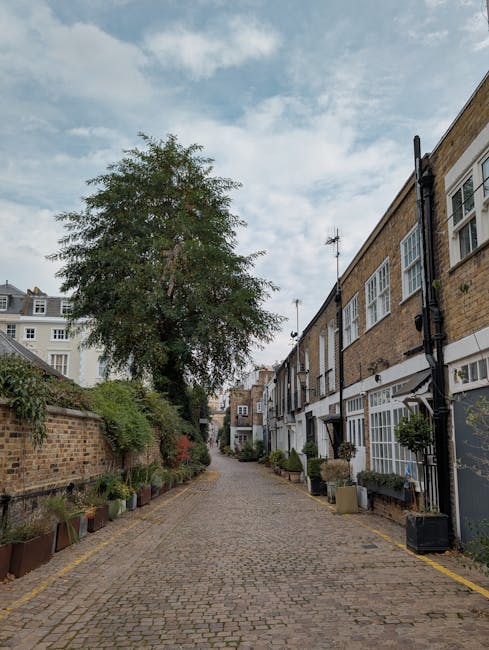
New Kings Road sits in one of those parts of London where the road layout can look fine until moving day arrives. A wide van might be perfectly suitable for the volume of your belongings, but still be the wrong fit for the street itself. That is the key point. In narrow streets, the logistics matter as much as the load.
You may only have a few minutes to unload before a vehicle starts building up behind you. You may have to deal with limited kerb space, resident permit concerns, small front steps, or a walk from the van to the front door. And if the move involves fragile furniture, bulky wardrobes, or a piano, every extra metre becomes more than a nuisance. It becomes a handling risk.
For many Fulham residents, the challenge is not the move itself. It is the access. That is why a smart removal plan starts with street conditions, building layout, and the exact route from van to property. If you also want a broader sense of local housing and the type of properties people move into around here, the Fulham housing market overview is a useful read alongside this guide.
Expert summary: On narrow Fulham streets, the best removal plan is usually the one that reduces walking distance, cuts down parking uncertainty, and keeps loading time as short as possible. Simple, but it makes a huge difference.
How New Kings Road Fulham Removals Guide for Narrow Streets Works
The basic idea is to match the move to the street, not just the inventory. A good removal plan for a narrow road usually starts with a look at access, then vehicle size, then packing order, and finally the timing of arrival. Not glamorous. Very effective.
Here is the typical flow:
- Access check: Confirm where the van can legally and safely stop, and how far items need to be carried.
- Property review: Note stairs, tight hallways, low ceilings, narrow doors, and any awkward turns.
- Vehicle match: Decide whether a smaller van, a man with a van in Fulham, or a larger removal vehicle is the better option.
- Packing strategy: Pack by room and by loading order so the most needed items come off first.
- Day-of coordination: Keep phone access clear, confirm arrival windows, and make sure one person is ready to guide the crew.
In narrow streets, the crew often works in shorter, more deliberate bursts. That might mean carrying items in smaller batches, using additional protective wrapping, or positioning trolleys closer to the entrance. If the property is a flat or upper-floor apartment, a service like flat removals in Fulham can be especially helpful because it is built around the realities of stairs, shared entries, and tighter access.
And yes, sometimes the simple truth is that you need a smaller vehicle rather than a bigger one. It is not a sign of poor planning. It is the planning.
Key Benefits and Practical Advantages
When a move is designed properly for a narrow Fulham street, the benefits show up in small ways that matter a lot on the day. Less waiting. Less awkward manoeuvring. Fewer chances of someone dinging a doorframe or scraping a sofa against a wall. You feel the difference almost immediately.
Some of the biggest practical advantages include:
- Faster loading and unloading: Less time spent carrying items long distances from the van.
- Lower damage risk: Fewer tight corners and fewer rushed handling moments.
- Less disruption to neighbours: A tidy, organised move is less annoying for everyone on the street. Let's face it, nobody enjoys a blocked road at 8 a.m.
- Better control over fragile items: Furniture, mirrors, artwork, and white goods stay safer when the route is planned properly.
- More predictable costs: The cleaner the access plan, the easier it is to estimate labour and vehicle needs. If you are comparing options, the page on pricing and quotes is worth a look.
There is also a mental benefit people forget. A move that feels controlled is less exhausting. You are not spending the whole morning wondering if the van can turn around or if the chest of drawers will fit through the hallway. Small win, big relief.
Who This Is For and When It Makes Sense
This guide is for anyone moving on or near New Kings Road where the street width, traffic flow, or property access could make things tricky. That includes renters, homeowners, students, and small office teams. In practice, narrow-street removals are common for:
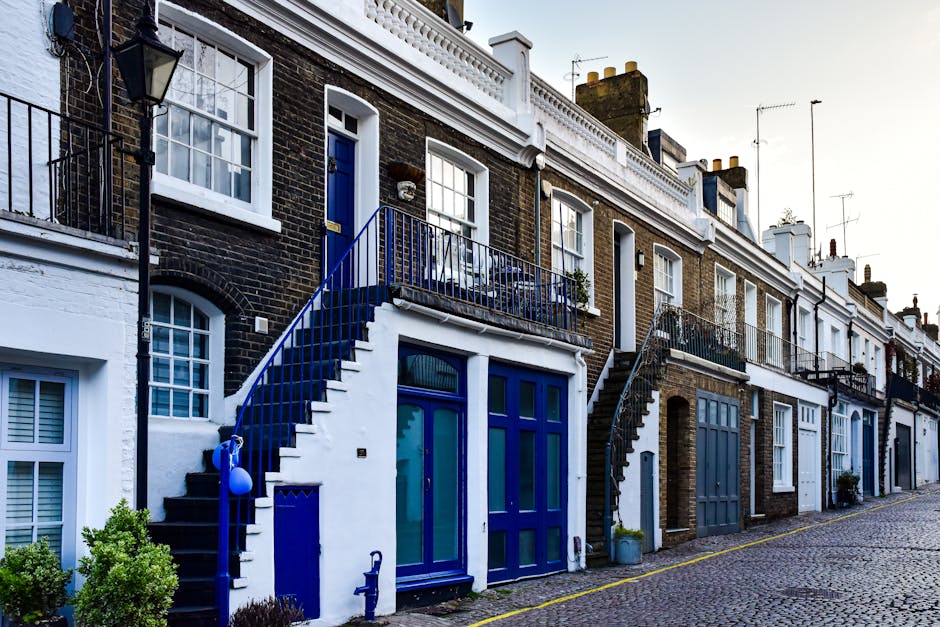
- Victorian and period terraces with tight entrances
- Top-floor flats with narrow staircases
- Homes with limited on-street waiting space
- Moves involving bulky furniture or delicate belongings
- Last-minute or same-week relocations
If you are moving out of a compact flat and only have a few key pieces, a flexible vehicle-based service may be enough. If it is a full household move, though, a more structured approach is usually safer. For a quick move with lighter loads, many people compare man and van services in Fulham with larger house-move options. And for bigger family moves, a dedicated house removals Fulham service is often the better fit.
It also makes sense for people who have a tight exit window. A tenancy ending, a completion date, a new work start, or a school term beginning all add pressure. If the date is fixed and the access is awkward, the move needs proper sequencing. No shortcuts.
Step-by-Step Guidance
Here is the part that tends to help most: a clear sequence you can actually follow. Not every move needs the same level of effort, but narrow streets reward good organisation every time.
- Survey the property and street. Stand at the front door, look both directions, and imagine a van stopping outside. Where would boxes pass? Where does the street narrow? Is there a corner that will slow a trolley?
- Measure the awkward stuff. Measure sofas, wardrobes, beds, mirrors, and any item with odd dimensions. Door widths matter more than people think. A sofa that looks fine in a living room can become a real problem on the stair landing.
- Decide on the vehicle size early. If the street is tight, a smaller van or shuttle-style setup may beat one huge vehicle. The best option is the one that can actually stop, load, and leave without a fuss. If you need a vehicle on its own, the page for a removal van in Fulham is relevant.
- Pack by priority, not by panic. Keep essentials separate, label every box clearly, and avoid mixing heavy books with delicate glass. A box labelled "kitchen - fragile" is better than twenty unhelpful mysteries.
- Prepare parking and access notes. Write down the entry point, floor level, gate codes, and any known restrictions. Share these with the removal team in advance.
- Clear the route inside the property. Move shoes, mats, plant pots, and loose items out of hallways. It sounds obvious, but on moving day the obvious things are exactly what get missed.
- Keep essentials with you. Documents, chargers, medication, keys, and a kettle if you are the sort of person who needs tea first. Fair enough really.
- Do a final walk-through. Check cupboards, lofts, balconies, and behind doors before the vehicle leaves.
If you want support with packing before the move, have a look at packing and boxes in Fulham. It can make a noticeable difference when you are moving through a tight street and every box needs to be carried cleanly.
Expert Tips for Better Results
These are the little things that, in our experience, separate a smooth move from a slightly chaotic one. None of them are revolutionary. They just work.
- Book for a quieter window if you can. Early morning can be calmer, but check what makes sense for your building and neighbours. Mid-morning is sometimes easier than trying to race the school run or commuter traffic.
- Use consistent labelling. One system, all the way through. For example: room name, contents, and whether the item is fragile. The crew should not have to guess.
- Protect corners and door edges. Narrow routes amplify small knocks. A bit of padding now can save a repair later.
- Keep a clear loading lane. If possible, reserve the space nearest the door for the highest-priority items.
- Separate awkward items. Lamps, plants, mirrors, and art are often best handled last, once the route is already clear and the team is in rhythm.
- Have one decision-maker on site. Too many instructions slow everything down. One person speaking clearly beats five people saying "maybe try this side". Every time.
For specialist items, it is often worth choosing a dedicated service rather than trying to fit everything into a standard move. A piano, for example, is not just another heavy object. If that applies to you, the page on piano removals in Fulham is a sensible next stop.
And if you are thinking the move could turn into a long day, build in breathing space. A cup of tea, a phone charge, and ten quiet minutes before the van arrives can make the whole thing feel more manageable. Honestly, it helps more than people admit.
Common Mistakes to Avoid
The same mistakes come up again and again on narrow-street moves. They are easy to make, which is why they are worth calling out clearly.
- Choosing a vehicle based only on capacity. A huge van is not useful if it cannot access the street properly.
- Underestimating carry distance. Even an extra 30 metres matters when you are carrying a wardrobe or a stack of boxes.
- Leaving packing until the last night. That is how fragile items get wrapped badly and boxes get labelled poorly.
- Ignoring neighbour access. Shared entrances, parked cars, and tight pavements can become issues fast.
- Forgetting to measure furniture. The old "it should fit" approach is brave, but not always wise.
- Not checking insurance and handling expectations. If you are unsure about cover and protection, the page on insurance and safety is useful to review before booking.
One more thing: don't assume same-day speed always equals the best value. Sometimes a slightly longer lead time saves stress and money. If your move is urgent, same day removals in Fulham can still be helpful, but it is best when the access situation is clear and the load is manageable.
Tools, Resources and Recommendations
You do not need a huge kit to manage a narrow-street move, but a few practical tools make the day easier. A dolly or sack truck can help with boxes and smaller furniture. Furniture blankets protect surfaces from scuffs. Strong tape, marker pens, and proper box sizes reduce the chance of collapse and confusion. Nothing fancy. Just solid basics.
Recommended practical setup:
- Marker pen set: For clear, visible labels on every box.
- Colour-coded stickers: Helpful if multiple rooms are involved.
- Furniture covers or blankets: Especially useful for narrow hallways and tight corners.
- Zip bags for screws and fixings: Keep them taped to the matching furniture item.
- Phone charger and power bank: Because the one time your battery dies is usually the one time you need to direct the van.
For storage between move-out and move-in, it can also be worth looking at storage in Fulham. That is especially handy if the new property is not ready or if you want to avoid cramming everything into a small temporary space.
If you are comparing providers, the broader services overview is a sensible place to understand what different moving options typically cover. And if you want to know more about the company behind the service, the about us page is there too.
Law, Compliance, Standards, or Best Practice
For a move like this, the main compliance questions are usually practical rather than dramatic. You want to make sure the move is handled safely, the parking and loading are sensible, and the service provider is clear about responsibility, access, and insurance. In the UK, local parking restrictions, building rules, and basic health and safety expectations all matter. That may sound dull, but it prevents avoidable headaches.
Best practice usually includes:
- Confirming whether waiting or loading restrictions apply on the street
- Checking whether the building needs advance notice for removals
- Making sure the removal team understands any stair or access risks
- Using suitable lifting methods for heavy or awkward items
- Having clear terms around deposits, timings, and cancellation where relevant
If a move involves delicate equipment, heavy furniture, or multi-storey access, you should expect a provider to take safety seriously. That does not mean overcomplicating everything. It means acting like the items, property, and people matter. Which, of course, they do.
For customers who want to understand the company's approach to working practices, the health and safety policy, terms and conditions, and privacy policy can help set expectations before booking. If sustainability matters to you, there is also recycling and sustainability.
Options, Methods, or Comparison Table
Different property types and load sizes call for different approaches. Here is a simple comparison to help you think it through.
| Option | Best for | Strengths | Watch-outs |
|---|---|---|---|
| Man and van | Small flats, light moves, a few bulky items | Flexible, often quicker to arrange, good for narrow roads | May not suit very large household moves |
| Removal van only | Customers with help on site or simple loading plans | Useful if you mainly need transport | You handle more of the logistics yourself |
| Full house removals | Family homes or larger loads | More structured, less personal lifting stress | Needs more planning and access coordination |
| Storage plus removals | Delayed completions, downsizing, temporary moves | Creates breathing room and reduces rush | Needs a second stage and careful inventory control |
For many narrow-street jobs, a smaller and more agile setup is the winner. If your move is compact but still needs care, the combination of man with a van in Fulham and smart packing can be ideal. If you are moving a full household, a bigger service may be the safer choice even if it feels more formal.
Case Study or Real-World Example
A fairly typical Fulham scenario goes like this. A tenant in a two-bedroom flat off New Kings Road is moving on a weekday morning. The building has a narrow entrance, stairs with a tight turn, and very little space to park directly outside. The client has a sofa, bed frame, desk, dining table, and roughly thirty boxes. Nothing outrageous. But enough to go wrong if the plan is loose.
The sensible approach is to split the job into two phases: prepare everything the night before, then arrive with a vehicle that can access the street without blocking it for too long. The large items are loaded first, but only after doorways are protected and the route is cleared. Boxes come next, grouped by room. Fragile kitchen boxes stay separated from heavier books and tools. It sounds almost too simple, but that simplicity is what keeps the move calm.
On the day, the biggest saving is time. There is less back-and-forth, fewer "can we just move this a bit?" moments, and much less risk of staff or residents getting frustrated. The client finishes with less damage, less hassle, and no emergency scramble for missing screws. A small win, maybe, but a very real one.
If the move had involved student accommodation rather than a full flat, a more compact setup may have worked better. That is where student removals in Fulham can make sense. Different move, different rhythm.
Practical Checklist
Use this as a quick pre-move check for narrow streets near New Kings Road. It is not glamorous, but it is genuinely useful.
- Measure large furniture and compare it with doorways, stair turns, and hall widths
- Confirm where the van can stop safely and legally
- Tell the removal team about any restricted access, codes, or entry systems
- Label every box clearly by room and fragility
- Pack an essentials bag with keys, documents, medication, chargers, and water
- Protect floors, corners, and door edges where needed
- Separate delicate items from heavy ones
- Plan for neighbour courtesy and road sharing
- Decide whether storage might be needed for a gap between properties
- Review service terms, safety information, and payment details before confirming
If you are still narrowing down what to book, the wider removal services in Fulham page can help you compare options. And if you need a starting point for a general move enquiry, you can always visit the contact page.
Conclusion
Narrow streets around New Kings Road do not make removals impossible. They just ask for a bit more judgement, a bit more planning, and the right kind of moving setup. If you keep access, vehicle size, packing order, and timing at the centre of the plan, the day becomes much easier to handle.
The best moves are rarely the flashiest ones. They are the ones that feel organised, respectful of the street, and calm enough that you can look back later and think, well, that went better than expected. That is the goal here.
Get a free quote today and see how much you can save.
And if you are moving soon, take a breath first. A good Fulham move is still very possible, even on the narrow roads. Sometimes that little bit of care makes all the difference.
Frequently Asked Questions
What is the biggest challenge with removals on New Kings Road?
The biggest challenge is usually access, not the volume of belongings. Narrow streets, parked cars, limited stopping space, and tight entrances can all slow the move if they are not planned for in advance.
Is a man and van service enough for a narrow street move?
Sometimes, yes. If the load is modest and the route from van to property is manageable, a smaller service can work very well. If you have lots of heavy furniture or several floors of access, a fuller removal setup may be better.
How far in advance should I book a removals service in Fulham?
The earlier, the better. That said, shorter notice moves do happen. If your access is straightforward and the date is fixed, some providers can accommodate a quicker turnaround. Same-day options exist in some situations too.
What should I measure before moving day?
Measure large furniture, doorways, stair widths, and any tight hallway turns. It is also sensible to check the height of low ceilings or awkward landings. A sofa or wardrobe can be fine on paper and still fail at the stair bend.
Do I need to worry about parking on narrow Fulham streets?
Yes, absolutely. Parking and loading space can change the whole pace of the move. It is worth checking what stopping space is realistic and making sure your removal team knows the exact street conditions before arrival.
What kind of packing helps most on a tight move?
Clear labelling, sturdy boxes, and room-by-room packing help a lot. Keep fragile items separate, avoid overfilling boxes, and use proper wrapping for furniture edges. Good packing saves time and reduces damage.
Is storage useful if the move-in and move-out dates do not line up?
Very useful, yes. Temporary storage gives you flexibility if your new place is not ready or you need to move in stages. It can reduce pressure and make narrow-street moves much less frantic.
How do I reduce the risk of damage in a tight hallway or staircase?
Protect corners, keep walkways clear, and move larger items carefully rather than rushing. The best approach is to create more space before lifting starts. That tiny bit of prep usually pays off.
Can I move a piano or other specialist item on a narrow street?
Yes, but specialist items need specialist handling. Pianos are heavy, awkward, and easy to damage if rushed. A dedicated piano service is the safer route when access is tight.
What if I need to move urgently?
If the timeline is tight, choose the simplest access plan you can manage. Fewer items, clearer packing, and a vehicle suited to narrow streets make urgent moves much more realistic. Do not try to cram in extra complexity if you can avoid it.
How can I tell whether a service is suitable for my property?
Look at the size of your load, the number of floors, the street layout, and the amount of carrying distance. If any of those are awkward, speak to the provider early and describe the access as clearly as possible.
What should I do first if I am still not sure what move option to choose?
Start with the property layout and the largest items you own. Once you know those two things, the right service usually becomes much clearer. If you are still unsure, a quick discussion with a removals team is often enough to point you in the right direction.