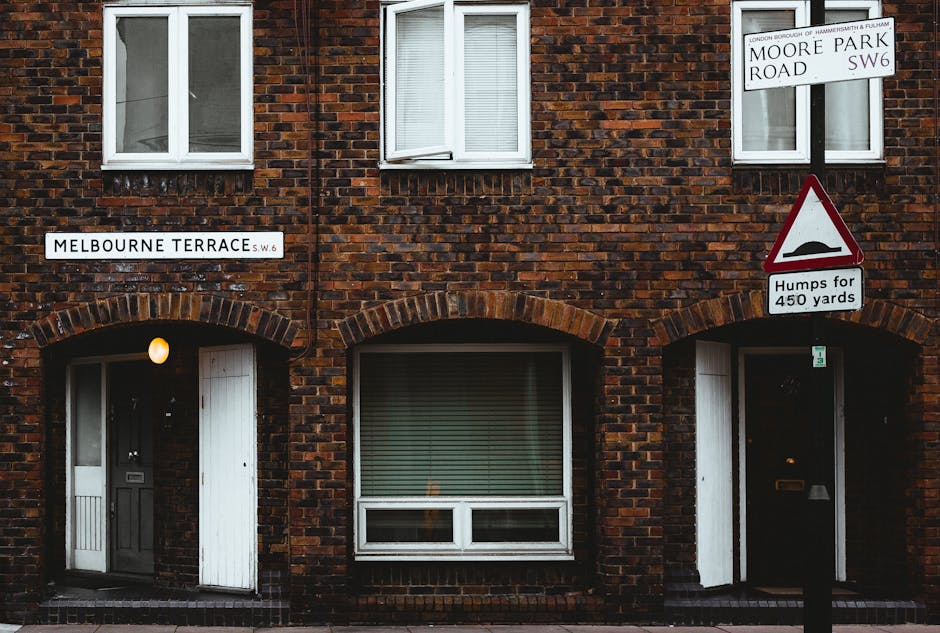
SW6 Removals and Parking Advice for Fulham Moves
Moving in SW6 sounds straightforward until you meet the real challenge: tight streets, permit questions, shared entrances, and that awkward moment when a van is circling while you are still carrying boxes downstairs. If you are planning a move in Fulham, the difference between a calm day and a chaotic one often comes down to preparation. This guide to SW6 removals and parking advice for Fulham moves brings the practical bits together: access planning, parking considerations, timing, packing, and the small local details that can save a lot of stress.
Fulham has plenty going for it, but let's face it, it is not always the easiest place to move around with a large vehicle. Flats above shops, narrow residential roads, and busy stretches near main routes can make even a short move feel like a logistics puzzle. The good news? With the right plan, it becomes very manageable.
Below, you will find a clear step-by-step approach, a realistic checklist, useful comparisons, and the kind of advice that helps on the ground, not just in theory.
- Why it matters
- How Fulham moves and parking planning works
- Key benefits and practical advantages
- Who this is for and when it makes sense
- Step-by-step guidance
- Expert tips for better results
- Common mistakes to avoid
- Tools, resources and recommendations
- Law, compliance, standards, or best practice
- Options and comparison table
- Case study or real-world example
- Practical checklist
- Conclusion
- Frequently asked questions
Why SW6 removals and parking advice for Fulham moves Matters
Parking is not a side issue in Fulham; it is usually part of the move itself. If your van cannot stop close enough to the property, everything gets slower. More lifting. More waiting. More chances for something to get knocked, scratched, or forgotten. And if you are moving from a flat, especially one with shared access or a short loading window, the knock-on effect can be significant.
In SW6, the road layout varies a lot from one street to the next. Some roads are easier for a removal van to approach, while others are tight, busy, or awkward for turning. That matters because the best moving strategy in Fulham is often not about raw muscle; it is about reducing distance between the van and the front door. The shorter that distance, the smoother the day usually goes.
There is also the human side of it. Neighbours still need to get past. Deliveries happen. School runs happen. A van blocking a shared driveway for half an hour can create a ripple of frustration before the first box is even inside the new place. Being thoughtful about parking is not just practical, it is courteous.
If you are still deciding whether Fulham suits your lifestyle, it can help to read more local context as well, like these Fulham local tips or the broader housing market overview. Different move, same postcode, but the access challenges often look similar.
Expert summary: In Fulham, moving day success usually depends on three things: sensible parking, realistic timing, and a removal plan that fits the building rather than fighting it.
How SW6 removals and parking advice for Fulham moves Works
A good Fulham move starts before the van arrives. The aim is simple: create a clear route from your property to the vehicle and remove as many surprises as possible.
For most SW6 moves, that means looking at the street, the property type, and the size of the vehicle together. A large removal van may be ideal for a full house, but if the road is narrow or parking is tight, a smaller vehicle or a split-load approach can sometimes be more efficient. The right choice depends on access, volume, and how much carrying distance is involved.
Parking advice also needs to be practical rather than theoretical. Ask yourself:
- Can the van stop close to the entrance without blocking essential access?
- Is there a loading bay, wide curb space, or a legal stopping point nearby?
- Will the driver need to wait while you finish packing or collect keys?
- Are there time restrictions or local parking controls to factor in?
One detail people often miss: the best parking spot is not always the closest one. Sometimes a spot a little further away, but easier to access safely, saves more time than squeezing into a poor position that forces constant repositioning. You do not want a van awkwardly angled across the street while everyone else tries to pass. It becomes a bit of a mini traffic event, and nobody needs that.
For smaller moves, a man and van option in Fulham can be a smart fit when you do not need a huge vehicle. For larger homes, house removals in Fulham are usually a better match, especially where heavy furniture, multiple rooms, or stairs are involved.
Key Benefits and Practical Advantages
Getting the parking side right can make the whole move feel easier, and that is not exaggerating. Here is what you gain when the plan is properly thought through.
- Less carrying distance: This reduces time, fatigue, and the chance of damage.
- Faster loading and unloading: Everything flows better when the vehicle is placed well.
- Lower stress: Fewer unknowns on the day mean fewer last-minute decisions.
- Better protection for belongings: Heavy items are moved fewer times and handled more consistently.
- Less disruption for neighbours and pedestrians: Helpful in busy SW6 streets where space is limited.
There is also a cost angle. If the crew spends less time moving items from a far-away parking spot, the move can become more efficient overall. Not every move is about saving money directly, but efficiency tends to improve value. Truth be told, that is what most people want: a day that feels well-managed rather than improvised.
Another advantage is safety. Removing obstacles, planning where the van will sit, and choosing the right route for heavy items reduces the odds of bumps on stair rails, doorframes, and polished floors. If you are moving a piano or something unusually heavy, specialist handling matters even more, which is why pages like piano removals in Fulham and furniture removals in Fulham can be useful reference points when planning more complex jobs.
Who This Is For and When It Makes Sense
This advice is useful for a wide mix of movers, but it is especially relevant if you fall into one of these groups:
- Flat movers: If you live in a mansion block, conversion flat, or apartment above shops, parking is often the make-or-break issue. The same goes for people looking into flat removals in Fulham.
- Families moving house: More boxes, more furniture, more chances for the van to need a careful loading position.
- Students and sharers: Small moves still need planning, especially if there are multiple drop-off points or limited access, so student removals in Fulham can be worth considering.
- Office movers: If you are relocating a workspace, timing and parking around business hours can matter a lot, which is where office removals in Fulham come in.
- Last-minute movers: Sometimes the move is happening fast, and parking prep becomes the difference between a controlled move and a messy one. If that is you, same-day removals in Fulham may be relevant.
If you are not sure which moving format fits your situation, a broader look at the services overview can help you match the job to the right type of support. There is no prize for overcomplicating it.
Step-by-Step Guidance
Here is a simple process that works well for many SW6 moves. It is not fancy, but it gets results.
- Check the property access first. Look at stairs, lifts, door widths, entry codes, and any low ceilings or tight corners. That sounds basic, but people forget it surprisingly often.
- Measure the likely carrying route. Think from front door to van, not just room to room. In Fulham, a short route is gold.
- Decide what size of vehicle you really need. A bigger van is not automatically better if the street is cramped.
- Identify parking options early. Note nearby loading areas, curb space, and any points where stopping would be awkward or unsafe.
- Pack to reduce trip count. Use strong boxes, keep heavy items in manageable sizes, and avoid mixed-weight boxes that are miserable to lift. For packing support, see packing and boxes in Fulham.
- Label the essential items clearly. Kettle, chargers, documents, cleaning supplies, and bedding should not disappear into the "miscellaneous" zone. That zone is a trap.
- Confirm timing with the removals team. The arrival window should leave enough margin for traffic, lift access, and any key handover delays.
- Clear the parking space if needed. If the street is busy, you may need to make space for the van by moving your own car in advance or arranging a suitable spot nearby.
- Protect the property. Use floor coverings or door protection where appropriate, especially in shared buildings or freshly decorated homes.
- Do a final walk-through. Check cupboards, lofts, behind doors, and bedside drawers. This one saves pain later. Every time.
If your move is from a property with tricky street access, the advice in this New King's Road removals guide and these Parsons Green flat-moving tips can be a helpful extra read, especially where narrow streets and mixed-use buildings are involved.
Expert Tips for Better Results
In our experience, the most successful Fulham moves are rarely the ones with the biggest budget. They are the ones where the little details were handled early.
Choose the van strategy around the street, not the other way around
If parking is tight, a smaller vehicle or an easier loading position may outperform a larger van that cannot park properly. A van that sits legally and sensibly is almost always better than one that is technically bigger but practically awkward.
Work backwards from the heaviest items
Before anything else, identify your bulky pieces: wardrobes, beds, dining tables, washing machines, pianos. Their shape and weight will influence the route, the vehicle, and whether you need extra help. It is much easier to solve access problems before the sofa is halfway down the stairs.
Keep your move-day bag separate
Have one clearly marked bag or box for passports, keys, phone chargers, medication, and a change of clothes. You would be amazed how often that bag becomes the most important item in the entire move.
Plan for building reality, not building optimism
Some Fulham buildings are wonderfully elegant and not remotely forgiving for removals. Narrow landings, shared hallways, and awkward turns can slow things down. If your place is one of those, factor it in early rather than hoping the team will "just manage somehow". They probably will, but easier is better.
Think about storage if completion dates do not line up
If there is a gap between moving out and moving in, temporary storage can reduce pressure massively. In that situation, storage in Fulham can bridge the gap without turning your living room into a long-term depot.
Ask better questions when getting quotes
A good quote is about more than price. Ask what assumptions are being made about access, stairs, packing help, waiting time, and parking. That conversation often reveals whether the price is realistic or just optimistic. If you want to compare options carefully, pricing and quotes is the sensible place to start.
Common Mistakes to Avoid
Most moving headaches are preventable. That is the annoying part, but also the reassuring one.
- Assuming parking will sort itself out: It rarely does, especially in a busy postcode.
- Booking the wrong size vehicle: Too small means extra trips; too large can mean access trouble.
- Leaving packing until the night before: That is how fragile items get rushed and labels get ignored.
- Not telling the removals team about stairs or lifts: Teams need the full picture to plan properly.
- Forgetting about loading restrictions: A van may be able to stop temporarily, but that is not the same as it being practical or legal.
- Blocking the street without warning anyone: This is how a straightforward move becomes a neighbourly incident.
- Packing heavy books into oversize boxes: Your back will not thank you, and neither will the box.
One common mistake deserves special mention: people underestimate how long it takes to move a one-bedroom flat in a building with awkward access. It can be a very different job from moving a one-bedroom house with direct access. Same postcode, very different day.
Tools, Resources and Recommendations
You do not need a toolkit the size of a hardware shop, but a few sensible items make Fulham moves much easier.
- Sturdy boxes: Uniform sizes stack better and load more neatly.
- Packing tape and labels: Boring, yes. Essential, also yes.
- Furniture covers or blankets: Helpful for doors, tabletops, and anything with a delicate finish.
- Protective gloves: Useful if you are carrying boxes in wet weather or dealing with rough surfaces.
- Phone notes or a shared checklist: This is the modern version of a moving brain. No shame in it.
For most people, the best "resource" is not a gadget; it is a clear plan and a removal partner who understands local access issues. If you need a general starting point, removal services in Fulham can cover a range of move types, while man with a van in Fulham is often better for smaller, more flexible jobs.
If you are comparing service styles, here is a simple way to think about it: the more complex the access and the heavier the load, the more valuable structured support becomes. That is not just about moving stuff. It is about moving it without stress.
Law, Compliance, Standards, or Best Practice
For moves in Fulham, the main compliance concerns tend to be practical rather than abstract. Parking, access, road safety, building rules, and insurance all matter. You do not usually need to become an expert in transport law to move home, but you do need to avoid creating problems for yourself or others.
Best practice usually includes:
- parking only where it is lawful and safe to do so,
- respecting building rules around loading, lifts, and entry,
- keeping paths and entrances clear where possible,
- making sure heavy items are handled safely,
- confirming insurance and liability arrangements before the move.
It is also worth checking the moving company's policies on safety and security. A transparent business should be able to explain how it approaches handling, loading, and customer property. If you want that kind of reassurance, pages like insurance and safety, health and safety policy, and payment and security help show how the business works. You may also want to review the terms and conditions so there are no surprises.
If you are looking at how the company operates more generally, about us offers useful background, and for service standards and wider responsibilities, there is also recycling and sustainability plus the modern slavery statement. Those details might not be the first thing on your moving checklist, but they do tell you a lot about the kind of operation you are dealing with.
Options, Methods, or Comparison Table
Different Fulham moves need different approaches. Here is a simple comparison to help you decide what is likely to fit.
| Move type | Best for | Parking and access note | Typical advantage |
|---|---|---|---|
| Man and van | Small to medium moves, a few rooms, flexible schedules | Easier to fit on narrower streets and often simpler to position | Flexible and usually efficient for lighter loads |
| Removal van | Moves needing more load space than a small van but not a full team | Needs careful street planning in tighter SW6 roads | More space without jumping to a very large vehicle |
| House removals | Full homes, family moves, bulky furniture | Works best when parking and loading are planned in advance | More structured for larger, more complex moves |
| Flat removals | Flats, conversions, apartments, multi-storey buildings | Access often matters as much as the distance from the van | Good fit for stair-heavy or shared-building moves |
| Same-day removals | Urgent relocations or last-minute changes | Requires especially clear parking and timing coordination | Quick response when time is tight |
If you are comparing options in the round, removal companies in Fulham is a helpful broad starting point, while removals in Fulham gives you a wider overview of the service landscape. No need to overthink every micro-choice; match the job to the building, and you are already halfway there.
Case Study or Real-World Example
A fairly typical SW6 move might look like this: a couple leaves a first-floor flat near a busy Fulham street and moves to a nearby property a short drive away. On paper, that sounds easy. In reality, the flat has a narrow stairwell, the street has limited stopping space, and the new place has only a small window for access before the road gets busier.
The successful version of this move usually includes a few small but important choices. The van is sized to fit the street, not just the volume of furniture. The loading point is agreed in advance. Fragile items are boxed separately. The bed frame and wardrobe are dismantled before the team arrives, which cuts down the time spent blocking the hallway. And the move starts early enough that there is room for one or two delays without the whole day slipping.
Nothing dramatic. Just good decisions made early.
In that kind of move, one person often ends up acting as the traffic coordinator, key holder, and tea-maker. A glamorous role, clearly. But when it works, the whole day feels much calmer, and the property is empty sooner than people expect.
That is the real benefit of careful parking advice in Fulham: it turns a potentially messy local move into something much more predictable.
Practical Checklist
Use this checklist before moving day. Keep it simple. Keep it real.
- Confirm the move date, access time, and property handover details.
- Check street parking and loading options near both addresses.
- Measure stairs, lifts, doorways, and tight corners.
- Decide whether you need a van, a man and van, or a larger removals setup.
- Pack fragile items carefully and label boxes by room.
- Prepare a separate essentials bag for documents, chargers, and valuables.
- Tell the removals team about heavy furniture, pianos, or awkward access points.
- Move your own car if it may block the loading spot.
- Protect floors, walls, and doorframes if needed.
- Do a final sweep of cupboards, lofts, and behind doors before leaving.
- Keep contact details and key handover information easy to reach.
- Leave a little time buffer. Seriously, it helps.
Conclusion
SW6 removals and parking advice for Fulham moves is really about one thing: making a local move feel manageable. In a postcode where access can change from one street to the next, a bit of planning goes a long way. Choose the right vehicle, think carefully about where it can stop, pack in a way that reduces hassle, and keep communication clear from the start.
The moves that go well are not always the easiest ones. They are the ones where someone looked at the street, the building, and the timing and said, "Right, let's do this properly." That small bit of thought saves time, protects belongings, and makes the day feel less like a scramble.
If you want a smoother, more confident move in Fulham, start with the access plan. Everything else gets easier from there.
Get a free quote today and see how much you can save.
Frequently Asked Questions
Do I need to arrange parking before a move in Fulham?
In most cases, yes, at least in a practical sense. Even if you are not reserving anything formal, you should have a plan for where the van will stop, how long it can stay there, and whether the access will affect loading time.
What is the best type of removals service for a flat in SW6?
That depends on how much you are moving and how good the access is. For smaller loads, a man and van service can be enough. For larger flats, especially with stairs or bulky furniture, flat removals are often the better fit.
How far in advance should I think about parking and access?
Ideally as soon as the move date is set. A few weeks ahead is often sensible, but even if your move is last-minute, it is still worth checking the street layout, building access, and likely parking restrictions before the day arrives.
Is a larger removal van always better?
No. In Fulham, a larger van can actually make things harder if the street is narrow or stopping space is limited. Sometimes a smaller vehicle or a more flexible moving setup works better overall.
What if my building has stairs and no lift?
Then access planning becomes even more important. You should tell the removals team in advance, pack lighter boxes where possible, and make sure the route from van to property is as short and clear as you can manage.
Can I move on a busy street without causing problems?
Usually yes, but only with good planning and a bit of common sense. You want to avoid blocking traffic, keep the loading area tidy, and give yourself enough time so the move is not rushed.
Should I dismantle furniture before moving day?
For large items, often yes. Beds, wardrobes, and some tables are easier and safer to move when dismantled. It also reduces the risk of damage on stairs and through narrow hallways.
What should I pack separately for moving day?
Keep essentials separate: keys, phone chargers, important documents, medication, toiletries, and a kettle if you are the tea-first type. A separate bag for these bits saves you from rummaging through half the house at 9 p.m.
Do I need storage if my move-in and move-out dates do not line up?
If there is any gap at all, storage can be a very good option. It removes pressure and gives you more control over timing, especially if completion dates shift or access is delayed.
How do I know whether I need house removals or man and van?
Think about volume, access, and how much furniture you have. A smaller move with decent access often suits man and van. A full household move, or a property with awkward access and multiple heavy items, usually needs something more structured.
What should I ask when comparing quotes?
Ask what the quote includes, how access and parking are being assumed, whether stairs or waiting time are covered, and what happens if the job takes longer than expected. Clear answers now save confusion later.
Are Fulham moves usually more stressful than other London moves?
They can be, but only if you do not plan for the local access issues. The streets, building layouts, and parking constraints are manageable when you prepare properly. Once the plan is in place, the day often goes better than people expect.
Where can I learn more about the company and its wider services?
You can start with about us or look through the wider services overview to see what fits your move. If you need to speak to someone directly, the contact page is the right next step.