Access issues for Fulham removals in basement flats
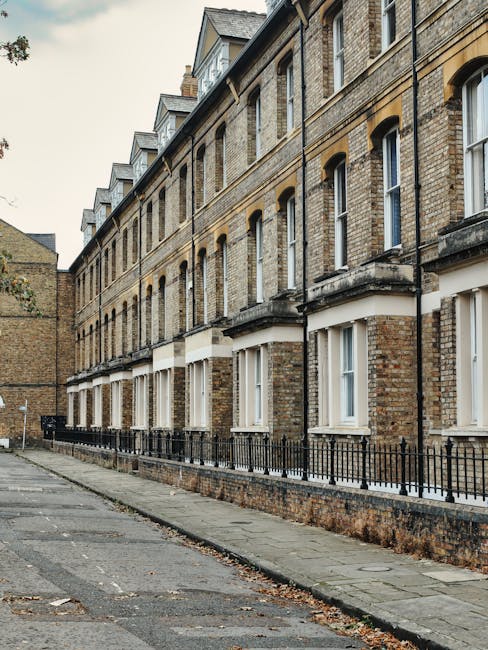
Basement flat moves in Fulham can look simple on paper, and then the reality hits: tight stairwells, low ceilings, awkward corners, shared entrances, parked cars, and that one sofa that suddenly seems to have grown overnight. If you are dealing with Access issues for Fulham removals in basement flats, you are not alone. It is one of those moving problems that sounds minor until the removal team arrives and the front steps are steeper than expected, or the hallway turns at a funny angle just where the wardrobe needs to pass through.
This guide explains what access issues actually mean, why they matter so much in basement flat removals, and how to plan around them without stress spiralling into chaos. You will find practical steps, sensible comparisons, compliance points, and real-world advice for making the move smoother from the first survey to the final box. Truth be told, a little planning here saves a lot of lifting later.
Why Access issues for Fulham removals in basement flats Matters
Basement flats in Fulham often come with character, charm, and a few logistical headaches. The issue is rarely just "can the van park nearby?" It is more often about whether a sofa, bed base, washing machine, or boxed-up kitchen can be moved through a route that was designed for people, not for bulky furniture. Narrow internal stairs, railings, split-level landings, and shared hallways can all slow things down.
That matters because the access problem affects almost every part of the removal day. It changes how many movers you need, whether larger furniture can be dismantled, how long loading may take, and whether parking needs to be arranged further away. In some Fulham streets, the front of the property can also be a bit of a squeeze, especially if neighbouring cars, permit restrictions, or a busy road make loading less straightforward. Not impossible. Just more complicated than most people expect.
There is also a safety angle. Poor planning can lead to damaged bannisters, scuffed walls, strained backs, or items getting stuck halfway down the stairs. No one wants that awkward silence where everybody is staring at a wardrobe that has become, for the moment, a permanent part of the staircase.
Expert summary: basement flat removals are usually won or lost on the quality of access planning. A good survey, clear measurements, and honest discussion of the route are often more valuable than simply bringing a bigger van.
How Access issues for Fulham removals in basement flats Works
Access planning starts with understanding the route from the flat to the vehicle. In a basement property, this may include internal stairs, a shared hallway, external steps, a front path, a gate, or even a narrow passage leading to the pavement. The removal team needs to know the size and shape of the items, the angles involved, and whether anything needs dismantling first.
A proper move usually follows a simple logic:
- Inspect the property access. Measure stair width, landings, door frames, ceiling height, and any tricky turns.
- Review the large items. Sofas, wardrobes, bed frames, white goods, and mirrors are the main troublemakers.
- Decide on the moving method. This might be a full team lift, partial dismantling, or a smaller vehicle paired with shuttle runs.
- Plan parking and loading. If the van cannot sit directly outside, the walk from property to vehicle must be built into the schedule.
- Protect the route. Floor coverings, blankets, and corner protection reduce the chance of damage in tight spaces.
Sometimes the access issue is not dramatic, just fiddly. A washing machine might fit through one doorway only if it is tilted a certain way. A sofa might need to go in upright, then sideways, then upright again. In those moments, experience counts. So does patience. A rush job in a basement flat has a way of becoming a headache no one asked for.
If you are comparing removal services, it is worth looking at practical support as well as transport. Services such as home moves, house removals, and flexible vehicle options like a moving van or man and van can suit different access scenarios. The best choice depends on the building, the amount you are moving, and how much help you want on the day.
Key Benefits and Practical Advantages
Good access planning does more than prevent problems. It creates a calmer, faster, and safer move. That may sound obvious, but people often underestimate how much easier a move becomes when the route is properly thought through.
- Less risk of damage. Furniture and walls are both safer when movers know exactly where the pinch points are.
- Better time estimates. Basement stairs and narrow routes often add minutes, or even longer, to each load cycle.
- Smarter vehicle choice. A large truck is not always the best answer if parking or access is restricted.
- Reduced stress. No one likes discovering access issues on the morning of the move. Well, unless you enjoy surprises with a side of panic.
- Safer lifting. Better planning helps reduce strain and awkward carrying positions.
- More accurate quotes. When access is described clearly, pricing is usually easier to understand and compare.
There is also a subtle but important advantage: access planning makes communication better. When everyone understands the route, the time window, and the obstacles, there is less guesswork. That means fewer delays and fewer crossed wires. In a place like Fulham, where streets can be busy and parking can be a bit of a puzzle, clarity is worth its weight in boxes.
Who This Is For and When It Makes Sense
This topic matters if you are moving from a basement flat, helping a tenant or landlord organise a move, or trying to shift bulky furniture out of a property with awkward access. It is especially relevant if your home has one or more of these features:
- steep internal or external stairs
- a narrow front door or hallway
- low headroom in the basement route
- shared access with neighbours
- limited or permit-controlled parking
- large furniture that has to be turned or dismantled
- fragile finishes such as painted bannisters or older plaster walls
It also makes sense if you are comparing different moving approaches. For example, a full-service removals team may be a better fit if you have multiple heavy items and tricky access, while a smaller setup may work for lighter moves where the route is manageable. If you only have a few items, services like furniture pick up or a man with van arrangement may be more appropriate. Not always, but often enough.
To be fair, some basement flats look straightforward until moving day. Then you notice the stairwell is just that bit tighter than you remembered, or the door opens into the route in a way that complicates everything. That is why access questions should be asked early, not after the sofa is already in the hallway.
Step-by-Step Guidance
Here is a practical way to handle access issues without overcomplicating the process.
1. Walk the route from flat to van
Do this slowly and with a tape measure if you have one. Look at doors, turns, landings, stair width, and any overhead restrictions. Notice where the route narrows. A route that feels fine for one person may be a very different story with a wardrobe in your hands.
2. Measure the awkward items first
Measure the tallest, widest, and heaviest items before you talk to a removals company. Sofas, mattresses, wardrobes, table tops, and appliances tend to cause the most issues. If something is borderline, say so. A good mover would rather know upfront than discover it at the top of the stairs with everyone trying to guess the angle.
3. Check parking and unloading options
Think about where the van could realistically stop. If it cannot park right outside, how far will movers need to carry each item? Is there a loading bay, single yellow line, or narrow street that makes timing important? In some cases, the best plan is a smaller vehicle with more controlled loading, rather than a larger van that creates parking trouble.
4. Decide what should be dismantled
Some items simply move better in parts. Beds, tables, and some wardrobes are easier to carry once taken down. Keep screws and fittings in labelled bags. This sounds simple, because it is. Yet somehow this is the step that gets forgotten the most.
5. Protect walls, floors, and corners
Use protective coverings where needed, especially on painted walls, narrow stair edges, and flooring that marks easily. In older Fulham properties, a quick protection plan can save a lot of bother. Small scuffs are easy to dismiss until you are the person paying to make them right.
6. Build in a realistic time buffer
Access issues often add time. That is just reality. If you expect a basement move to run like a ground-floor collection, you may be disappointed. Give the team enough room to work carefully, and you are usually rewarded with a safer, calmer move.
For larger or more complex moves, it may also help to compare broader support services such as removal services and packing and unpacking services. Good packing matters more than people think when stair turns are tight and items need to stay secure.
Expert Tips for Better Results
Here is where the small details start to matter. These are the sorts of things experienced movers notice almost instinctively after a few jobs in basement flats.
- Photograph the access route. A few clear photos of the staircase, front path, and entrance can save a lot of back-and-forth.
- Measure at the narrowest point. Not every hallway is equally wide. One awkward corner can decide whether an item fits.
- Keep a "first out" box separate. The quickest items should not be buried under everything else.
- Label fragile and oversized items clearly. This is especially useful if multiple people are helping.
- Leave the route clear. Shoes, plant pots, storage baskets, and random bits in the hallway can become trip hazards fast.
- Talk about daylight and timing. Basement moves in the late afternoon can feel more awkward in dim light, especially in winter.
A small but real tip: if you have a very tight turn, check whether removing a door from its hinges could help. Sometimes it does, sometimes it does not. But it is worth considering before the move starts, not halfway through when everyone is already tired and mildly sweaty. That is not the moment for new ideas.
You will also get better results if you are honest about what feels heavy. People often understate the size of their furniture because they are used to it. A huge dining table can look normal in a room and then behave like a stubborn crate when it has to pivot down a narrow staircase.
Common Mistakes to Avoid
Most access problems become worse because of a few predictable mistakes. The good news? They are avoidable.
- Assuming all basement flats are the same. They are not. Some have generous steps and decent landings, others are a proper squeeze.
- Forgetting about parking distance. A short walk from van to flat can become a long one if you cannot load close by.
- Not measuring large furniture. Guessing is a bad strategy here.
- Leaving dismantling to the last minute. That is how simple jobs turn into stressful ones.
- Ignoring building rules or neighbour concerns. Shared access needs a bit of courtesy and planning.
- Choosing the cheapest option without checking suitability. Cheap can be expensive if the wrong vehicle or crew size is used.
One especially common mistake is failing to mention access details during the quote stage. If you say "normal flat access" but the property has steep steps and a narrow hallway, the quote may not reflect the real work involved. That can lead to a frustrating mismatch on moving day. Nobody wants that conversation. Honestly, nobody.
Tools, Resources and Recommendations
You do not need specialist kit for every basement move, but a few practical tools make life easier.
| Tool or resource | Why it helps | Best used for |
|---|---|---|
| Tape measure | Confirms whether furniture and doorways are compatible | Checking widths, heights, and tight turns |
| Furniture blankets | Helps protect corners and surfaces in narrow routes | Wall and item protection |
| Labels and marker pens | Keeps dismantled parts and boxes organised | Reassembly and room sorting |
| Photographs of access points | Gives the removals team a clearer picture before the move | Quotes and planning |
| Parking plan | Reduces delays if roadside loading is limited | Street access and timing |
For households that want a little extra help, there are useful service options such as removal van support, man with van removals, or fuller support through house movers. The right option depends on how difficult the access is, how much you own, and whether you need loading help as well as transport.
If you are comparing providers, check whether they discuss access, insurance, and protection clearly. A company that asks sensible questions about stairs, parking, and oversized furniture is usually thinking properly about the move, not just about selling a van with wheels on it.
Law, Compliance, Standards, or Best Practice
Basement flat removals do not usually involve complicated legal processes, but there are still sensible standards and responsibilities to keep in mind. In the UK, removals work should be approached with care for safety, property protection, and respectful handling of shared spaces. Where access is difficult, best practice matters more, not less.
For example, manual handling should be planned so that lifting is manageable and routes are clear. If a staircase is too tight for safe carrying, the job may need a different method, more people, or partial dismantling. That is just common-sense risk reduction, and frankly it is the kind of thing a careful team will talk through before anything heavy gets moved.
If you live in a managed building, leasehold property, or shared basement conversion, there may also be building rules about moving times, protecting communal areas, or using certain entrances. These are not always complicated, but they do need checking. It is better to ask first than to argue with a neighbour holding a pram and a raised eyebrow.
It is also wise to consider insurance and accountability. If a mover is handling awkward access, you want confidence that they take care with belongings and property. Services such as insurance and safety, health and safety policy, and terms and conditions are worth reviewing when you are comparing providers. They do not remove every risk, of course, but they tell you a lot about how seriously a company treats the job.
One more practical point: if parking or loading will affect neighbours or the pavement, a considerate approach is part of good practice too. Keep access clear, communicate politely, and avoid blocking shared areas longer than necessary. Simple, but important.
Options, Methods, or Comparison Table
There is rarely just one way to move from a basement flat. The best method depends on the size of the move, the property layout, and how much access complication you are facing. Here is a straightforward comparison.
| Method | Best for | Strengths | Trade-offs |
|---|---|---|---|
| Full removals team | Larger moves, heavy furniture, tight access | More manpower, better control, safer lifting | Usually more expensive than a smaller setup |
| Man and van | Smaller moves, flexible collections, fewer items | Quick, adaptable, often cost-effective | May be less suitable for very awkward or heavy items |
| Partial dismantling plus transport | Bulky furniture that will not fit otherwise | Improves fit through tight routes | Requires prep time and careful reassembly |
| Multiple short trips | Severe parking limits or narrow access | Can work around route restrictions | Time-consuming, and not ideal for all moves |
If you are unsure which method suits you, start by asking a simple question: what is the real bottleneck? Is it the staircase, the door width, the parking, or the volume of furniture? Once you know that, the choice becomes much clearer.
Case Study or Real-World Example
Here is a realistic example based on the kind of basement flat move that comes up often in Fulham.
A couple were moving out of a lower-ground flat with a narrow internal staircase, a long hallway, and a sofa that had been easy to live with but awkward to move. On paper, it looked like a standard small household move. In reality, the front steps were steep, the hallway turned sharply, and the van could not park directly outside for long.
The fix was not dramatic. It was just organised. The team measured the sofa and realised it would need to be carried on its side through one turn. They removed the legs, wrapped the corners, and planned the loading sequence so the heavier items went first. A parking space a little way down the road was arranged in advance, and the move finished without damage or rushing.
What made the difference? Clear information before the move, not heroics during it. That is the part people often miss. A basement flat move can feel stressful, but it becomes much more manageable when the access route is discussed properly and the plan reflects real conditions rather than assumptions.
And yes, there was still a moment where somebody muttered, "that looks tighter than I thought." There usually is.
Practical Checklist
Use this checklist before moving day. It is simple, but it catches the issues that most often cause trouble.
- Measure all main furniture items.
- Measure stair width, doorways, and tight corners.
- Check whether any items need dismantling.
- Photograph the access route and tricky points.
- Confirm parking or loading options near the property.
- Ask about communal access rules if relevant.
- Protect floors, walls, and corners where needed.
- Pack a separate essentials box for quick access.
- Tell the removals team about fragile or oversized items.
- Build extra time into the schedule for stairs and carrying distance.
If you can tick most of those off early, the move usually feels far more under control. Not perfect. Just calmer, and that counts for a lot on moving day.
Conclusion
Access issues for basement flat removals in Fulham are less about drama and more about preparation. When the route is narrow, the parking is awkward, or the furniture is bulky, the small decisions made before moving day have an outsized effect. Measure carefully, communicate clearly, and choose a moving method that fits the building rather than forcing the building to fit the plan.
That is the real trick. Not luck, not brute force. Just sensible planning, a bit of local awareness, and enough patience to let the job be done properly. If you get that right, the move feels much less like a battle and much more like a well-handled transition.
Get a free quote today and see how much you can save.
When the boxes are finally out and the staircase is quiet again, you will be glad you handled the access side with care. Small effort now, much easier day later.
Frequently Asked Questions
What are the most common access issues in Fulham basement flat removals?
The most common problems are narrow staircases, low headroom, awkward turns, limited parking, and shared entrances. Large furniture often causes the biggest challenge, especially if it has not been measured properly in advance.
How do I know if my sofa will fit through the staircase?
Measure the sofa at its widest point and compare it with the narrowest part of the route, including turns and landings. If the fit looks tight, a removals team may suggest removing legs or changing the carry angle.
Do basement flat moves usually take longer?
Often, yes. Stairs, tight corners, and longer carrying distances can all add time. The exact delay depends on the layout, but it is sensible to allow extra time rather than plan as if it were a level-access move.
Should I choose a man and van service or a full removals team?
It depends on volume and difficulty. A man and van arrangement can suit smaller, simpler moves, while a larger removals team is usually better for heavier furniture, multiple items, or more awkward basement access.
What should I tell the removals company before booking?
Share the staircase layout, parking situation, any narrow doors or turns, the number of large items, and whether anything needs dismantling. The more honest and specific you are, the better the quote and plan will be.
Can removals teams protect walls and floors in basement flats?
Yes, most careful teams will use blankets, floor protection, and corner covers where needed. It is sensible to ask about this in advance if your hallway or stairs are prone to scuffs.
What if parking outside my basement flat is restricted?
If parking is limited, plan for the vehicle to stop a little further away and build the extra carrying distance into the move schedule. In some cases, using a smaller vehicle or arranging timed loading works better.
Do I need to dismantle furniture before the move?
Not always, but it can make a big difference in tight basement access. Beds, tables, and some wardrobes are often easier to move in parts. Keep screws and fittings safely labelled for reassembly.
Are there any safety concerns with basement removals?
Yes. Steep stairs, awkward lifting positions, and poor lighting can all increase risk. Safe planning, clear routes, and the right number of movers help reduce those risks.
How can I make the move day less stressful?
Prepare early, measure everything, clear the access route, and keep essential items separate. A calm start makes a big difference, especially when the stairs are tight and the van is waiting outside.
What if I am unsure whether my items will fit through the flat entrance?
Take measurements and photos, then discuss them with the removals provider before booking. If there is still uncertainty, ask about dismantling options or alternative carry methods.
Is it worth paying more for a team experienced with awkward access?
Usually, yes. A team that understands difficult access can save time, reduce damage risk, and prevent a lot of hassle. In basement flat moves, experience tends to show quickly, and it often pays off in a smoother day overall.